
How Much Does Air Duct Cleaning Cost?


Most people rarely think about their air ducts until dust, odors, or weak airflow become impossible to ignore. By then, many wonder how much professional cleaning will cost and whether the service is worth scheduling. The answer depends on more than the size of the property because every HVAC system has different needs. Knowing what affects pricing helps you plan your budget and compare service estimates with confidence. It also helps you recognize the value of professional air duct cleaning before small issues become larger HVAC problems.
How Much Does Air Duct Cleaning Usually Cost?
Residential air duct cleaning typically costs between $300 and $700 for an average-sized home. Commercial properties often receive customized estimates because building sizes and HVAC systems vary considerably. Factors such as the number of vents, duct length, accessibility, contamination, and additional HVAC components all influence the final price. Some contractors charge a flat rate, while others base pricing on the size and complexity of the system. A professional inspection provides the most accurate estimate because no two duct systems are exactly alike.
What Affects Air Duct Cleaning Costs?
Air duct cleaning prices vary because every property presents different challenges. Some systems need only routine maintenance, while others require more extensive cleaning after years of buildup. Understanding the main cost factors helps you compare estimates more effectively.
Property Size and Duct System Design
Larger properties usually have more ductwork, which naturally takes longer to clean. Multi-story buildings and complex duct layouts also increase the amount of labor involved. Homes with a single HVAC system often cost less than properties with multiple units serving different areas. Older buildings may also have duct configurations that take longer to access and clean properly. Contractors consider all of these details before preparing an estimate. That approach produces pricing based on the actual work instead of guesswork.
Number of Vents and HVAC Components
The number of supply and return vents directly affects the overall cleaning time. Each vent, register, and grille requires careful attention during the service. Many HVAC systems also include components that benefit from cleaning during the same appointment. These components may include the blower motor, air handler, evaporator coil, and other accessible parts. Cleaning these areas supports better airflow throughout the system. Some companies offer package pricing when these services are completed together.
Why Every HVAC System Has Different Pricing
No two HVAC systems are exactly alike, so contractors cannot rely on a single price for every property. Factors such as duct length, system design, accessibility, and overall condition all influence the amount of work involved. Residential and commercial properties also have different cleaning requirements that affect labor and equipment needs. A professional inspection helps determine the actual scope of work before an estimate is prepared. Understanding these differences makes it easier to compare pricing with realistic expectations.
Typical Air Duct Cleaning Price Ranges
Average pricing gives property owners a realistic expectation before requesting an estimate. Although prices vary from project to project, common ranges make it easier to plan. Understanding how residential and commercial pricing differ also helps you evaluate contractor proposals more confidently.
Residential Air Duct Cleaning Costs
Most homeowners spend between $300 and $700 for a complete air duct cleaning service. Smaller homes with fewer vents often fall near the lower end of that range. Larger homes usually cost more because technicians spend additional time cleaning longer duct systems. Recent remodeling projects, excessive dust, or pet hair may also increase labor requirements. Some companies charge per vent, while others provide a fixed price after inspecting the HVAC system. Asking what the estimate includes helps you compare companies fairly.
Commercial Air Duct Cleaning Costs
Commercial properties rarely share the same HVAC design, making customized pricing more common. Small offices often cost less than schools, warehouses, healthcare facilities, or retail buildings with extensive duct systems. Larger commercial projects frequently require specialized equipment and additional technicians to complete the work efficiently. The number of HVAC units and occupied spaces also affects the overall cost. Many contractors perform an on-site inspection before preparing a detailed proposal. This evaluation helps business owners understand the scope of work before scheduling the service.
What Does Air Duct Cleaning Include?
Price matters, but knowing what the service covers is equally important. Not every contractor includes the same tasks in a standard cleaning package. Understanding what is typically included helps you compare estimates based on value instead of cost alone.
Standard Services Included in Most Cleanings
Professional air duct cleaning typically includes supply and return ducts, registers, grilles, and accessible ductwork. Many contractors also remove dust and debris from key HVAC components when these components are included in the service package. These components often include the blower compartment, air handler, and other accessible system parts. Cleaning these areas improves airflow and reduces the amount of debris circulating indoors. A detailed estimate should clearly explain everything included before work begins. That information makes it easier to compare one contractor with another.
Services That May Cost Extra
Some HVAC systems require additional services beyond routine duct cleaning. Mold treatment, pest contamination, excessive construction debris, or damaged ductwork may increase the final cost. Certain contractors also charge separately for cleaning evaporator coils or sanitizing the system when necessary. These additional services depend on the HVAC system's condition after inspection. Asking about possible extra charges before work begins helps prevent unexpected costs. Clear communication also helps you understand exactly what your investment covers.
Why Some Air Duct Cleaning Services Cost More
Some estimates are higher because the work extends beyond standard duct cleaning. The condition of the HVAC system often determines how much time, equipment, and labor the project requires. Understanding these differences helps you decide which estimate offers the best overall value.
Heavy Dust, Mold, and Other Contaminants
Years of neglected maintenance often leave more than ordinary dust inside the ductwork. Construction debris, pest activity, and excessive dirt require additional cleaning procedures. Confirmed mold growth may also require specialized treatment that falls outside the scope of a standard cleaning service. These situations take longer because technicians must remove contaminants carefully without affecting the HVAC system. The extra time and specialized equipment naturally increase the total cost. Addressing these issues early often prevents more expensive HVAC problems later.
Experience and Professional Equipment
Professional air duct cleaning requires equipment designed specifically for HVAC systems. Contractors often use negative air machines, rotary brushes, compressed air tools, and high-efficiency filtration equipment to remove debris effectively. Experienced technicians also know how to clean the system without damaging ducts or sensitive HVAC components. Their training helps them identify issues that property owners may overlook during routine maintenance. Higher-quality service often reflects greater experience, better equipment, and more thorough cleaning methods. That combination can provide better long-term value than choosing the lowest available price.

When Should Air Duct Cleaning Be Scheduled?
Air duct cleaning depends on the condition of your HVAC system instead of a fixed schedule. Some properties need cleaning more often because of daily use or environmental conditions. Recognizing when to schedule service helps prevent unnecessary strain on your HVAC system.
Knowing the Right Time to Schedule Service
Scheduling air duct cleaning at the right time helps prevent unnecessary strain on your HVAC and avoid services you may not need yet. The condition of your system provides a better indication than a fixed calendar schedule. Routine inspections can identify developing issues before airflow or indoor air quality declines. Paying attention to early warning signs also helps you plan maintenance more effectively. Professional recommendations should always be based on the actual condition of your HVAC system.
When Signs Suggest Your Air Ducts Need Cleaning
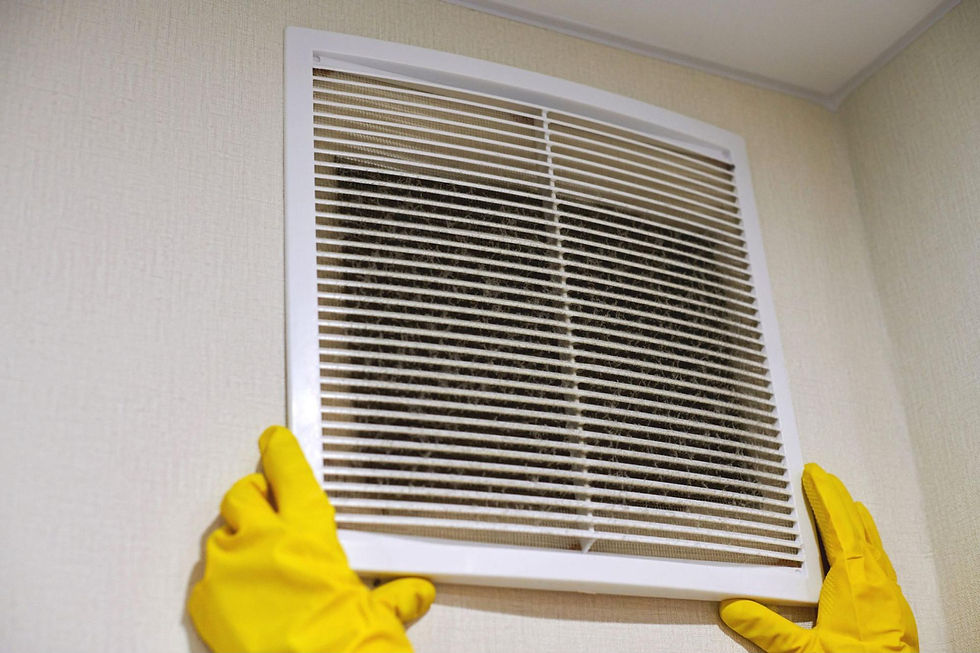
Dust collecting around vents may indicate buildup inside the duct system. Weak airflow between rooms can also suggest that debris is restricting circulation. Some property owners notice musty odors when the HVAC system begins running. Allergy symptoms may also become more noticeable as airborne dust continues circulating indoors. Renovation projects often leave fine construction dust inside ductwork as well. A professional inspection can confirm whether cleaning is the right solution.
When is Air Duct Cleaning Not Necessary?
Not every HVAC system needs immediate duct cleaning. Systems with clean filters, steady airflow, and minimal dust often require only routine inspections. A trustworthy contractor should recommend cleaning only when the system's condition supports the service. Honest recommendations help property owners avoid unnecessary expenses while maintaining healthy HVAC performance. Regular maintenance keeps many systems operating efficiently for years before another cleaning becomes necessary. Scheduling inspections instead of assuming the need for cleaning often leads to better long-term decisions.
How Can Routine Maintenance Reduce Future Costs?
Routine maintenance helps keep your HVAC system cleaner between professional duct cleaning appointments. Small maintenance habits also reduce the amount of dust entering the ductwork. That approach often lowers future cleaning costs while supporting better HVAC performance.
Replace Filters and Maintain the HVAC System
Air filters capture dust before it enters the duct system. Replacing them on schedule helps reduce debris circulating throughout the property. Annual HVAC inspections also identify worn components before they affect system performance. Clean vents and unobstructed registers improve airflow and reduce unnecessary strain on the equipment. These simple maintenance steps help keep the entire system operating more efficiently. They also reduce the likelihood of excessive buildup inside the ductwork.
Schedule Inspections Before Problems Grow
Many HVAC issues begin quietly before noticeable symptoms appear. Regular inspections help technicians identify dust buildup, airflow restrictions, or damaged components early. Correcting small problems usually costs less than waiting until the system performs poorly. Preventive maintenance also helps property owners plan future services rather than respond to unexpected breakdowns. Consistent care supports better indoor air quality and more reliable HVAC operation. Over time, that proactive approach often reduces overall maintenance expenses.
Schedule Air Duct Cleaning Before Costs Increase
Putting off air duct cleaning can allow dust and debris to build deeper inside your HVAC system, making future service more involved and potentially more expensive. Professional cleaning supports healthier indoor air, promotes steady airflow, and helps your heating and cooling equipment operate more efficiently year-round. An experienced HVAC contractor can inspect your system, explain the factors affecting the cost, and recommend only the services your property truly needs. Taking action before minor buildup develops into larger HVAC issues helps protect both your comfort and your long-term maintenance budget.
Looking for more practical ways to improve your HVAC system? Visit Moreau's Heating & AC LLC blog for expert insights, maintenance tips, and guidance that helps you make informed decisions year-round.


Comments