
Top Signs You Need Air Conditioning Replacement Now

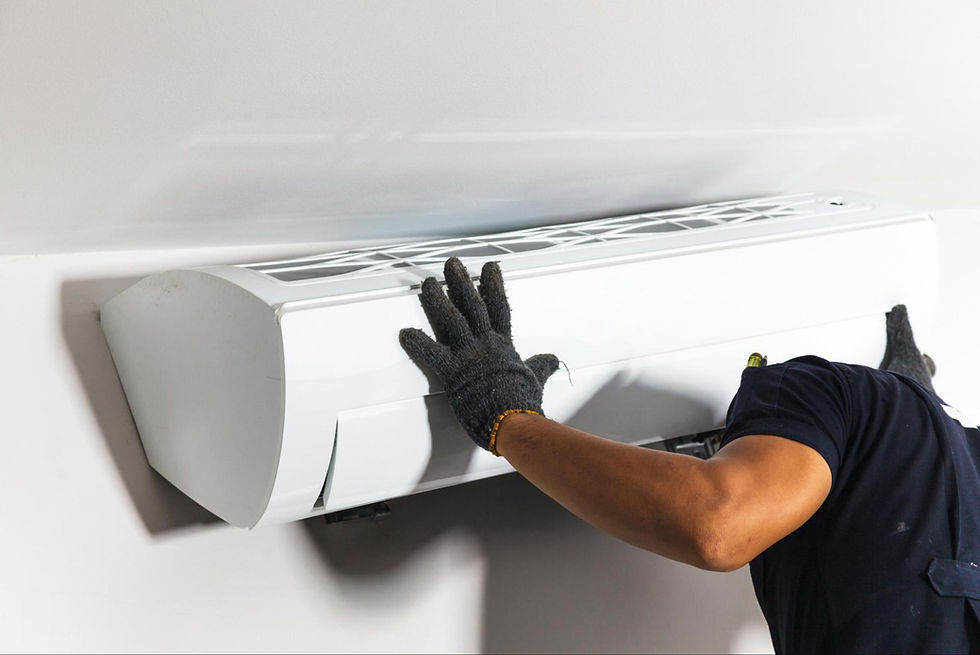
When your AC stops doing its job, it’s more than an inconvenience. It affects your comfort, your monthly budget, and the air you breathe. You don’t need to be an HVAC expert to know something’s off. Rising bills, uneven cooling, or constant repairs are telling signs. And if you’ve found yourself adjusting the thermostat more than usual or second-guessing whether the system will hold up, you're not alone. Ignoring the warning signs won’t fix the problem, but acting at the right time will save you money and stress.
Why Air Conditioning Replacement Shouldn't Wait
Replacing your air conditioner before it breaks down saves you from rising costs and unpredictable comfort. Older systems consume more energy, break down more frequently, and struggle to maintain air quality, particularly during extreme heat. While short-term repairs may seem practical, they rarely address the underlying issues. Fixing one part now doesn't stop another from failing next month, and repeated service calls quickly outpace the cost of a new, reliable system. Modern units offer better efficiency, longer lifespans, and come with warranties that protect your investment. Acting now gives you control over both performance and your long-term budget.
Signs Your AC Needs a Replacement Soon
When your air conditioner stops meeting your comfort needs, it's not just inconvenient; it's a red flag. Many issues start subtly, but they build into costly and disruptive failures. Recognizing the warning signs early helps you avoid breakdowns when least expect them. The following indicators make it clear your system may be ready for replacement.
Air Conditioners Are Over 10 Years Old
Age alone won't break an air conditioner, but it's a clear warning. Most units, over ten to fifteen years, become less reliable, inefficient, and expensive. If your system falls within this range, you should look out for other signs. Upgrading before total failure helps avoid surprise breakdowns.
Outdated Systems Use Expensive Refrigerants
If your AC still uses R-22, maintaining it is complex and costly. The EPA phased out this refrigerant because of environmental concerns. Finding R-22 today is expensive, and the cost of repairs can be substantial. Even a simple leak could make continued repairs pointless. New systems utilize safer, more efficient refrigerants, such as R-410A. Replacing your old system avoids these headaches altogether.
Efficiency Drops as Components Wear Out
As your AC ages, the internal components begin to degrade. Worn compressors, dirty coils, and tired motors all reduce performance. You may notice longer cooling cycles and weaker airflow throughout your home. This extra strain causes your system to use more power than necessary. Even with maintenance, older systems struggle to meet modern efficiency standards. A new unit instantly boosts performance and reduces energy consumption.
Modern Models Outperform Older Units Easily
Today's systems are built for better airflow, quieter operation, and precise temperature control. Features like variable-speed compressors and smart thermostats enhance comfort while reducing energy consumption. These advancements help your home stay cooler for less money. You also reduce your carbon footprint and lower your electric bill. Even if your current system "works," it's not working as well as a new one. Replacing it closes the performance gap and gives you a better return on investment.
Cooling Costs Are Climbing Without Cause
High energy bills with no lifestyle changes often reflect an inefficient AC. As systems age, they run longer to produce the same results. That strain increases energy use and drives up costs. These shifts are usually gradual, but they add up quickly.
A Failing AC Works Harder Than It Should
Older units struggle to maintain temperature, even in mild weather. They stay on longer and cycle more frequently to compensate. That extra effort burns electricity while still delivering uneven results. You'll feel the difference in both comfort and your utility bill. As wear increases, so does the power demand. Replacing the unit cuts this waste and restores balance.

High SEER Ratings Save Money Over Time
SEER stands for Seasonal Energy Efficiency Ratio. The higher the rating, the more efficient the system. Many older ACs rate below 13 SEER, while new models reach 16, 18, or 20+. Each level means fewer dollars spent cooling your home. In hot climates, the savings grow faster and more noticeably. Over a few years, a high-SEER replacement pays for itself.
Your Home Feels Sticky, Stuffy, or Uneven
Inconsistent comfort typically indicates that your system is failing to regulate airflow effectively. If some rooms feel warmer than others or humidity levels rise, the AC may not be doing its job. These symptoms often appear before the system fails completely. Ignoring them leads to poor air quality and increasing discomfort.
Humidity Issues
A properly working AC removes moisture as it cools. When that stops, indoor humidity rises fast. You may notice musty smells, sticky air, or condensation on windows. That environment encourages the growth of mold, mildew, and other indoor air quality issues. High humidity isn't just uncomfortable; it can damage furniture, floors, and electronics. Replacing the system restores healthy, dry indoor air.
Uneven Cooling Signals Airflow Problems
When one room is cold and another is hot, the system is struggling. These variations often come from failing blowers, leaks in the ducts, or an undersized unit. Consider closing vents or adjusting the thermostat, but this will not address the root cause. Over time, the gap between rooms will get worse. Modern systems can distribute air evenly and are customizable for your specific space. An upgrade will keep your entire home at a steady, comfortable temperature.
Strange Sounds or Odors
Loud or unusual sounds aren't just annoying; they're mechanical warnings. If your system buzzes, grinds, bangs, or clicks, internal components may have loosened. Unpleasant odors can also indicate mold, electrical faults, or trapped debris. These issues aren't cosmetic; they suggest failure is close.
Odors Point to Health and Safety Concerns
Musty or sour smells typically indicate that mold is growing in the coils or ducts. This occurs when the AC can't drain moisture or filter air effectively. Inhaling mold spores can cause headaches, coughing, and allergy symptoms. On the other hand, burning or chemical smells could signal overheating or electrical problems. These carry real safety risks, especially if ignored. Replacing your AC addresses the source of these hazards directly.
Noisy Operation Signals Mechanical Breakdown
Clanking sounds suggest loose parts inside the compressor or blower. Grinding may indicate that the motor bearings are worn or damaged. These noises indicate that your AC is failing rapidly and could break down at any time. Quick repairs may offer a short-term fix, but won't restore long-term reliability. Each strange sound means one more part nearing failure. A new system restores quiet and stable performance.
Frequent AC Repairs
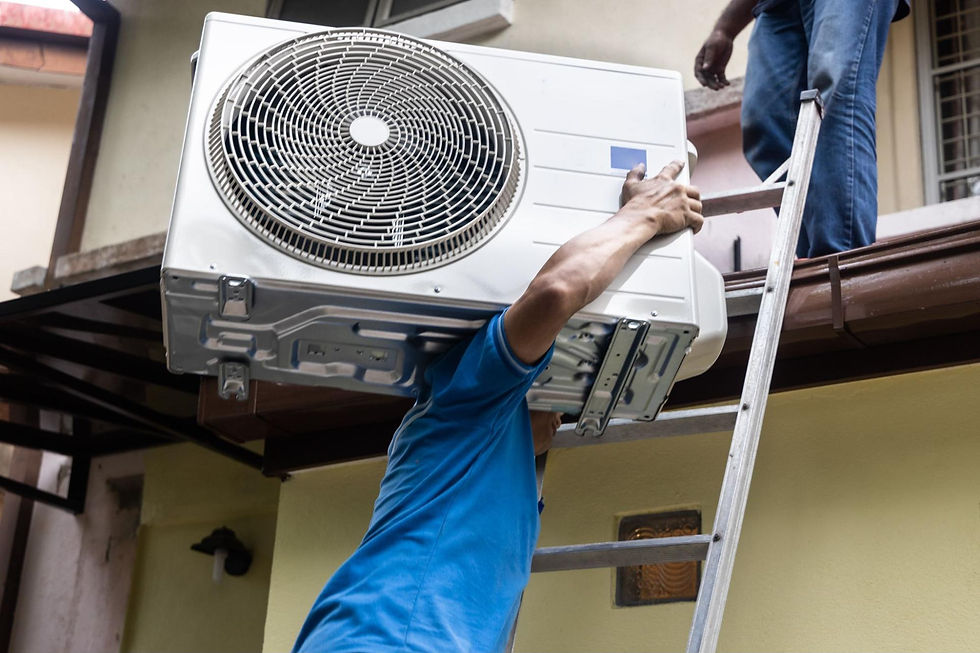
One or two repairs are expected over several years. But something is wrong if you're calling a technician every few months. Frequent issues often indicate system instability, rather than bad luck. Repair costs quickly add up and can start to rival the price of a new unit.
When Repairs Rival Replacement
HVAC pros follow a general rule: If a repair costs more than 50% of the price of a new system, it's time to replace it. This rule applies especially to older systems that are past warranty. Even minor fixes become frustrating when they happen repeatedly. Constant servicing means more downtime and uncertainty. It also exposes you to emergency breakdowns during peak seasons. Replacing the unit breaks the cycle.
Repeated Failures Often Have Hidden Causes
You might think each repair is unrelated, but aging systems wear out. Fixing one part doesn't stop others from failing. Replacing a motor won't stop the compressor from breaking next month. Over time, each component runs with decreasing efficiency. Once parts begin to fail, system-wide decline tends to accelerate. At that point, replacement is a smarter and more cost-effective option.
Air Quality Feels Worse Than Before
An AC should do more than just cool; it should help circulate clean air. You may notice more dust, allergy symptoms, or stale smells indoors when it doesn't. These signs often appear as filtration performance fades. Breathing becomes less comfortable even when the temperature feels okay.
Your System Is Spreading Dust and Allergens
Older units lose filtration ability as fans and filters degrade. More airborne particles enter your living space, triggering sneezing and itchy eyes. You may notice surfaces getting dusty faster than usual. If anyone in your home has asthma, symptoms could worsen. Today's ACs include advanced filter options that clean air while they cool it. Replacing the unit helps your family breathe easier.
Time to Schedule Air Conditioning Replacement
Your AC has served its time, but systems aren't built to last forever. Every delay invites higher costs, reduced comfort, and increased stress when the heat strikes hardest. You don't need another repair bill to know it's time to upgrade. If your system shows signs, now's the time to take action before it chooses the timing for you.
Discover how to identify AC problems before they lead to additional expenses. Visit Moreau's Heating and AC LLC's blog for helpful guides and practical HVAC solutions.


Comments